

Koulourakia are traditional Greek Easter cookies! They are buttery and crunchy, with hints of vanilla, orange juice and zest!
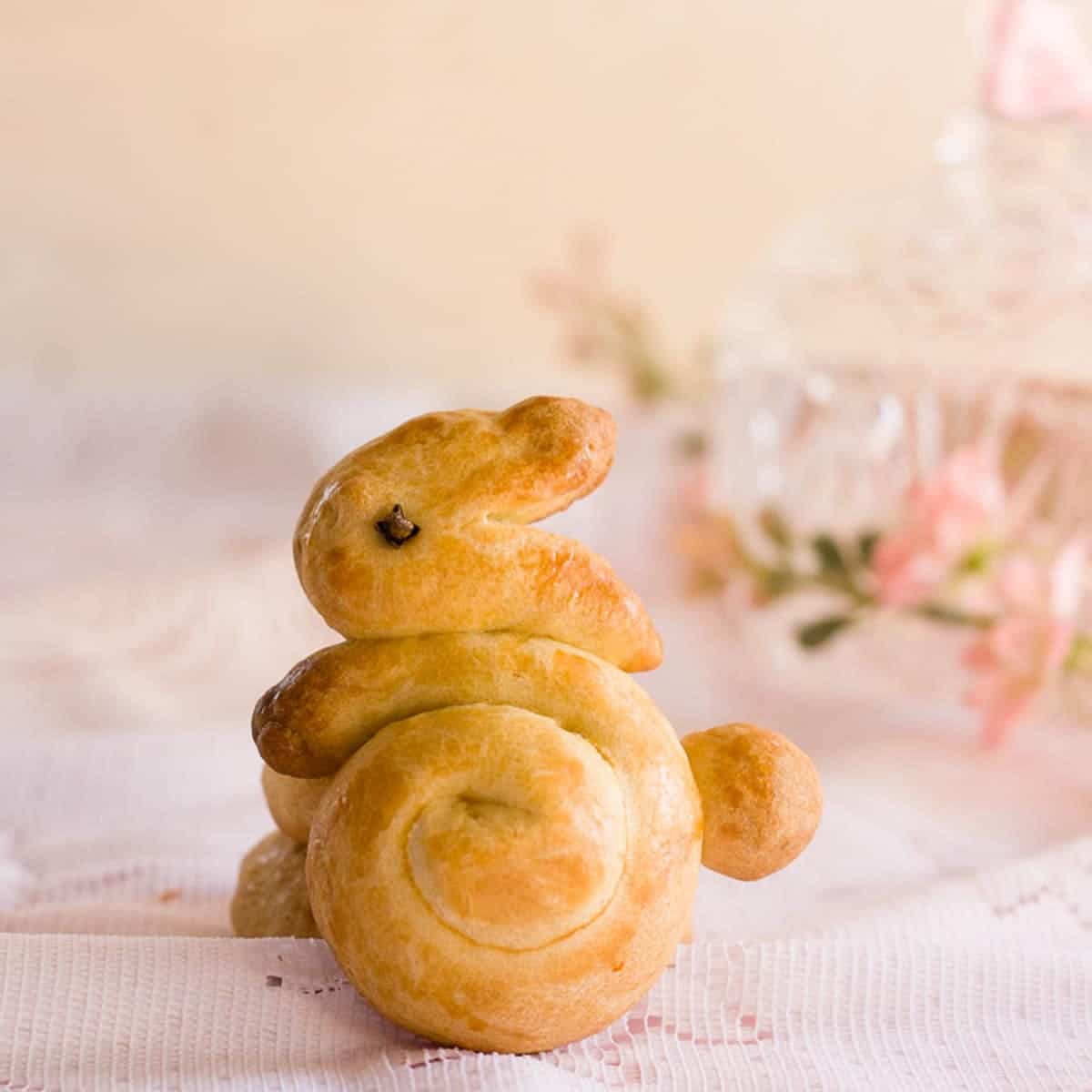
What are Koulourakia?
Greek Easter cookies, called koulourakia, are traditional buttery cookies that are baked throughout Greece to celebrate Easter. These classic Greek cookies are known for their beautiful twisted and braided shapes, which is why making them is often a fun family activity during the Easter season.
Greek Easter celebrations also include traditional recipes like tsoureki, a sweet braided bread that is often served alongside koulourakia.
In this recipe, you'll learn how to make authentic Greek Easter cookies step-by-step, along with tips for shaping them into several traditional designs.
They are perfect to serve with coffee or tea and are one of the most beloved homemade treats during Greek Easter.
If you enjoy traditional cookies like these, you might also like my Ladokouloura Greek Olive Oil Cookies, or my traditional Greek butter cookies.
Jump to:
- What are Greek Easter Cookies?
- What do Greek Easter Cookies Taste Like?
- Ingredients for Greek Easter Cookies
- How to Make Greek Easter cookies
- How to Shape Koulourakia (Traditional Cookie Designs)
- How to Make Bunny-Shaped Koulourakia Cookies
- Make ahead option
- Tips for success
- Storage and Freezing
- Frequently asked questions
- More Greek recipes to try!
- Recipe
FEATURED READER COMMENT
I tried your recipe the dough was nice and soft. They turned out great in taste! And kept their shape nicely in braids. My kids loved them more soft with sesame seeds on top. I made some crunchier for myself, because I love dipping them in coffee and in milk. - Susie
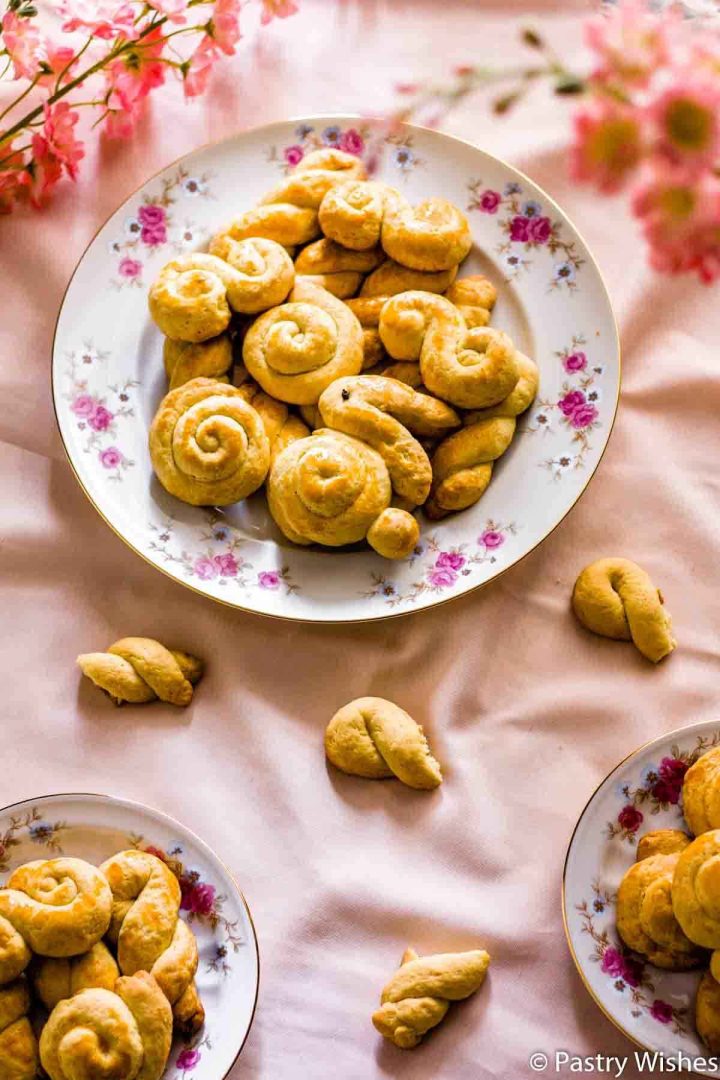
What are Greek Easter Cookies?
Koulourakia are traditional Greek Easter cookies. They're usually flavored with vanilla, orange zest and a little cognac, and shaped into braids or twists before baking until golden.
What do Greek Easter Cookies Taste Like?
Greek Easter cookies have a lightly sweet, buttery flavor with hints of vanilla or orange zest. They are crisp and crunchy, making them perfect for dipping into coffee or tea.
Ingredients for Greek Easter Cookies
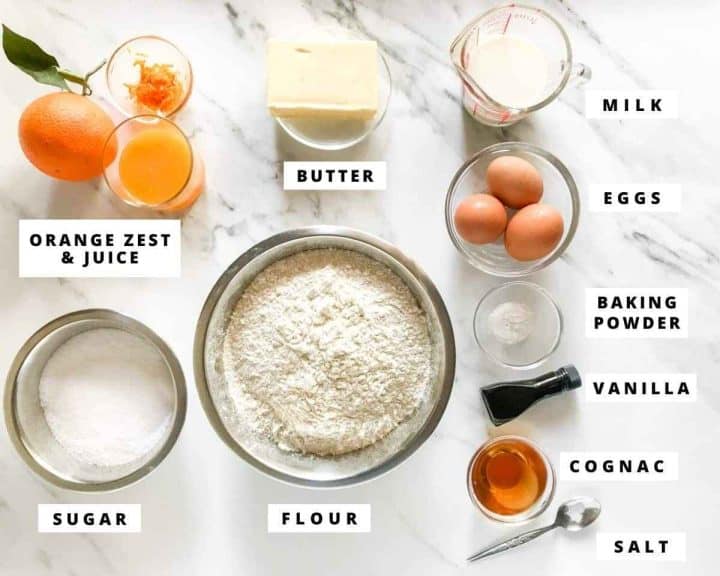
Key Ingredients
- Orange zest - Rubbing the zest into the sugar releases the citrus oils and gives the cookies their signature aroma.
- Orange juice - Adds a light citrus flavor and helps create the classic taste of traditional koulourakia.
- Cognac - A small splash adds depth of flavor and a subtle warmth. This is how my Yiayia (grandmother) always made koulourakia, and I've kept the tradition in this recipe.
See the recipe card at the end of the post for quantities.
How to Make Greek Easter cookies
Follow the step-by-step instructions below to make traditional Greek Easter cookies (koulourakia) at home.
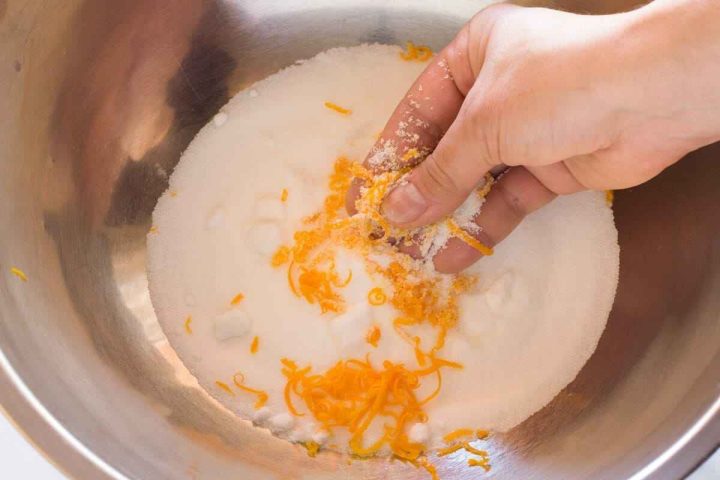
Step 1: Flavor the Sugar with Orange Zest
Rub the orange zest into the sugar using your fingers until the sugar becomes fragrant and slightly moist. This helps release the citrus oils and adds extra flavor to the cookies.
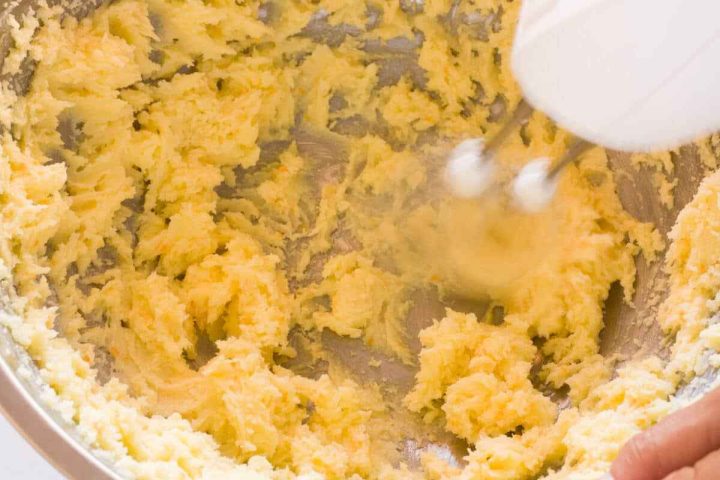
Step 2: Cream the butter and sugar
Beat the butter and sugar together until the mixture becomes light, fluffy, and pale in color.
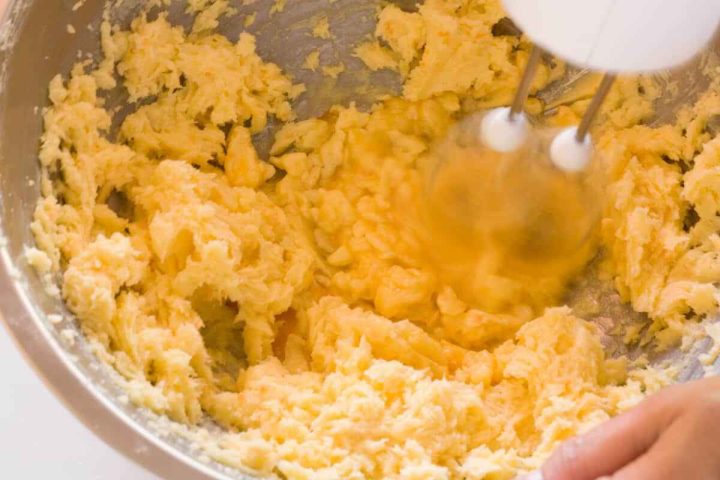
Step 3: Add the eggs and flavorings
Add the eggs one at a time, mixing well after each addition. Stir in the vanilla and any other flavorings until fully combined.
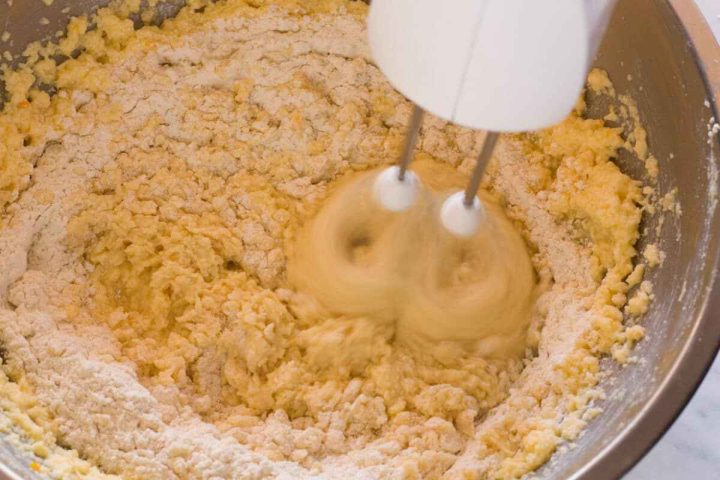
Step 4: Add half of the flour
Gradually add half of the flour mixture and mix until a soft dough forms that is smooth and easy to handle.
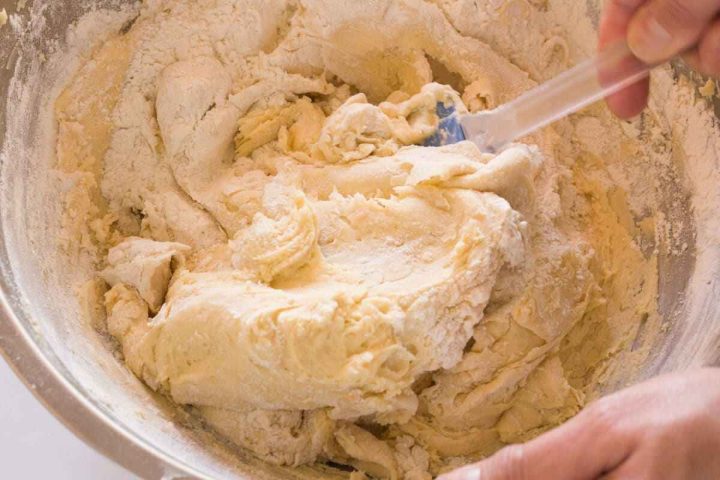
Step 5: Fold in the remaining flour
Add the remaining flour mixture and gently fold it in with a spatula until the dough starts to come together.
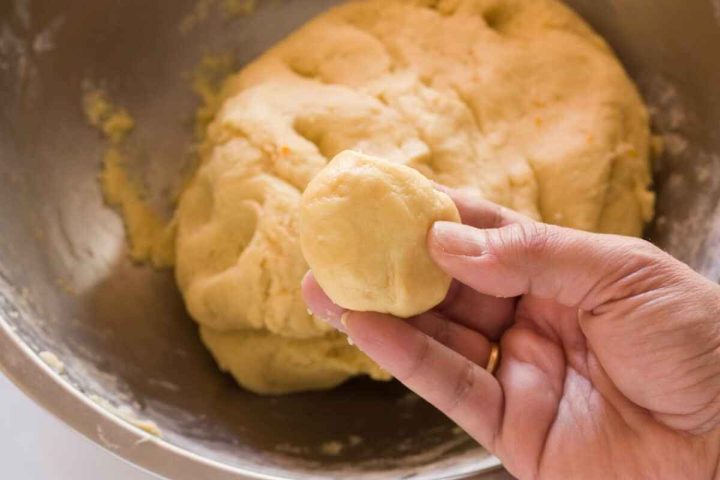
Step 6: Divide the Dough into Portions
Use your hands to bring the dough together. If sticky, add flour 1 tablespoon at a time until soft and pliable. Take small pieces of dough and roll them into balls so they are ready to shape.
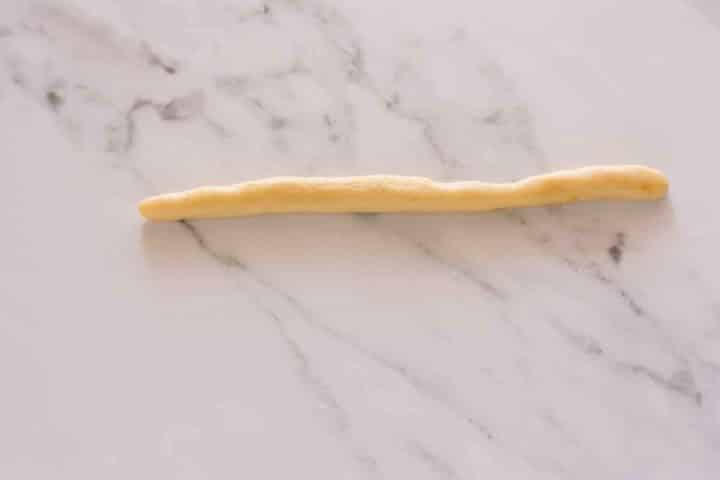
Step 7: Roll the dough into ropes
Cover the dough and let it rest for about 30 minutes. Then divide it into pieces weighing about 35 g (1.2 oz). Roll each piece into a rope about 10 inches (26 cm) long on a clean work surface.
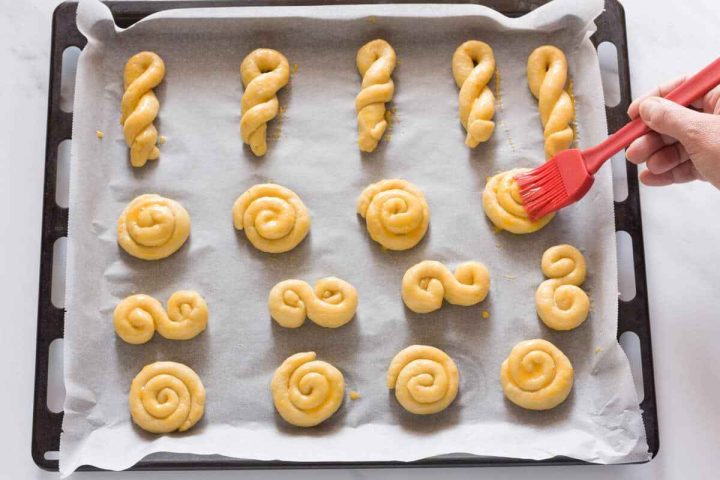
Step 8: Shape, brush, and bake the cookies
Shape the dough ropes into twists, braids, spirals, or other traditional designs and place them on the prepared baking sheets. Brush the tops lightly with egg wash, then bake until they are lightly golden.
How to Shape Koulourakia (Traditional Cookie Designs)
Greek Easter cookies are traditionally shaped by rolling a small piece of dough into a rope about 10 inches long. Most koulourakia designs are created by twisting or spiraling this rope of dough into different shapes. Here are some popular shapes my Yiayia taught me:
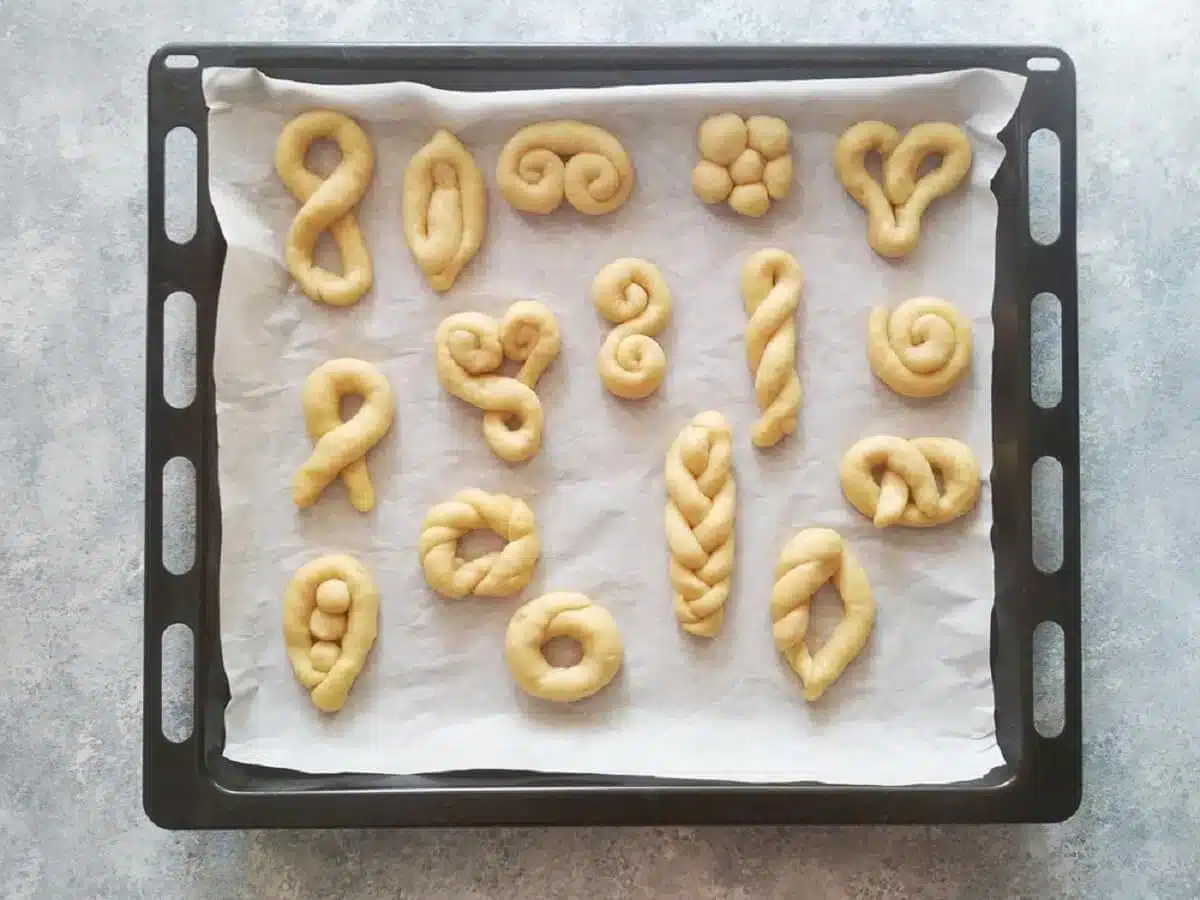
Common koulourakia shapes include:
- spiral
- twist
- double spiral
- braid
How to Make Bunny-Shaped Koulourakia Cookies
These bunny-shaped koulourakia are fun to make and perfect for Easter. Follow the simple steps below to shape the dough into cute bunny cookies.
How to Make Bunny Koulourakia
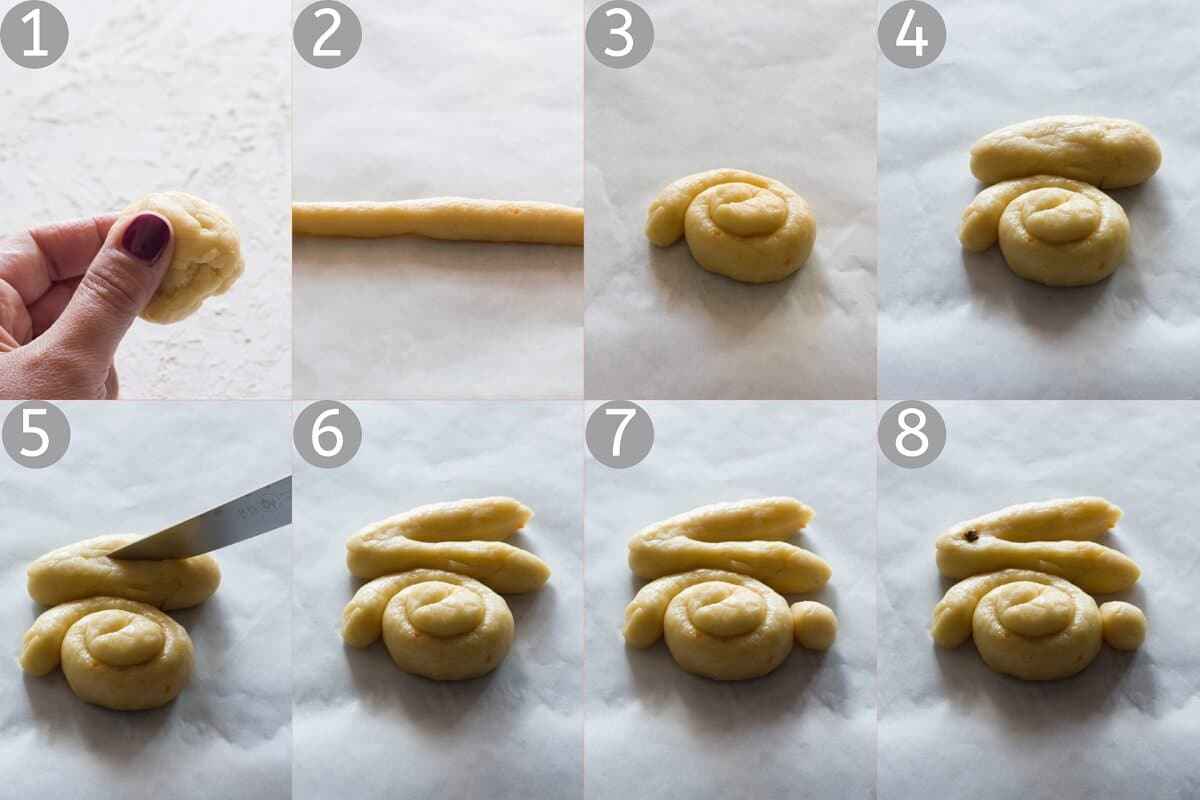
- Take a piece of dough, the size of a walnut.
- Roll the dough into a rope about 10 inches long.
- Form the body by twisting the rope into a spiral.
- Shape the head using a small ball of dough and attach it to the spiral.
- Create the ears by cutting a small portion of dough.
- Gently push the ears apart using the tip of the knife.
- After that, take a small piece of dough and roll it into a ball for the tail and attach it to the body.
- Add the eye using a whole clove.
Make ahead option
You can prepare the dough a day in advance. After shaping the dough into small balls (about the size of a walnut), place them in a large bowl, cover with plastic wrap, and refrigerate overnight.
The next day, remove the dough balls from the refrigerator and soften each one slightly in your hands before shaping them into ropes and forming the cookies. Then bake as directed.
Tips for success
- Use room temperature ingredients. This helps the dough mix evenly and creates a smoother texture.
- Weigh your ingredients. Using a digital scale gives the most accurate measurements and helps ensure consistent results.
- Rub the orange zest into the sugar. Doing this by hand releases the natural oils and makes the cookies more aromatic.
- Cube the butter before mixing. This helps it soften faster and makes it easier to beat with the sugar.
- Do not add too much flour. Only add enough for the dough to come together.
- Avoid overmixing the dough. Mixing too much after adding the flour can make the cookies dense or hard.
- Let the dough rest for 20-30 minutes. This makes it easier to roll and shape the cookies.
- Weigh each piece of dough before shaping. This ensures the cookies are the same size and bake evenly.
- Leave space between the cookies. Place them about 2 inches (5 cm) apart on the baking sheet.
- Adjust baking time depending on texture. For crunchier cookies, bake them a few minutes longer, but avoid overbaking.
- Bake one tray at a time if possible. Every oven is different, so baking times may vary.
Storage and Freezing
These cookies keep very well. Store them in an airtight container at room temperature for up to 2 weeks.
Freezing the dough
You can also freeze the cookie dough. First, shape the dough into balls (I like to weigh them so they are all the same size). Place the dough balls on a baking sheet lined with parchment paper, cover with plastic wrap, and freeze for about 1 hour.
Once the dough balls are frozen, transfer them to a freezer bag or airtight container. Label and freeze for up to 1½ months.
When ready to bake, let the dough soften slightly at room temperature before shaping and baking.
Frequently asked questions
Greek Easter cookies are called koulourakia, traditional butter cookies baked during Easter in Greece. They are usually flavored with vanilla or citrus and shaped into braids or spirals before baking.
Koulourakia are shaped into braids and twists as part of Greek Easter tradition. The shapes are easy to form by hand and help the cookies bake evenly while giving them their distinctive appearance.
Greek Easter cookies can last about 2-3 weeks when stored in an airtight container at room temperature. Because they are dry butter cookies, they keep well and are often baked several days before Easter.
Have a wonderful Easter (Kalo Pascha)!
~Voula
More Greek recipes to try!


Recipe

Easy Greek Easter Cookies (Koulourakia Recipe + Traditional Shapes)
Ingredients
- 6 cups all-purpose flour (800 g) (you may need 1-2 tablespoons extra)
- 2 teaspoons baking powder
- a pinch of salt
- zest from 1 orange
- 1 ½ cups sugar (300g)
- 1 cup + 5 tablespoons unsalted butter, at room temperature, cubed (300g)
- 2 eggs, at room temperature
- ½ cup milk, at room temperature (125 ml)
- 2 teaspoons pure vanilla extract
- 2 tablespoons cognac (optional)
- ¼ cup orange juice, room temperature (60 ml)
- a few whole cloves (1 for each bunny cookie) (Optional)
For the egg wash
- 1 egg yolk
- 1 teaspoon water
Before You Start:
For best results, please read through the full post before beginning the recipe.
Instructions
- Line two baking sheets with parchment paper and set aside.
- In a bowl, whisk together the flour, baking powder, and salt. Set aside.6 cups all-purpose flour (800 g) (you may need 1-2 tablespoons extra), 2 teaspoons baking powder, a pinch of salt
- In a large bowl, rub the orange zest into the sugar using your fingers until fragrant. Then beat on low speed for about 1 minute.zest from 1 orange, 1 ½ cups sugar (300g)
- Add the butter and beat on medium-high speed for about 10 minutes, scraping the bowl as needed, until the mixture becomes light and fluffy.1 cup + 5 tablespoons unsalted butter, at room temperature, cubed (300g)
- Beat in the eggs one at a time, mixing well after each addition.2 eggs, at room temperature
- Add the milk, vanilla, orange juice, and cognac (if using). Beat until combined. The mixture may look slightly curdled - this is normal.½ cup milk, at room temperature (125 ml), 2 teaspoons pure vanilla extract, ¼ cup orange juice, room temperature (60 ml), 2 tablespoons cognac (optional)
- Gradually add half of the flour mixture, about 1 cup at a time, mixing on low speed until just combined. Add the remaining flour and gently fold it in with a spatula.
- Use your hands to bring the dough together. If it is sticky, add a little more flour (1 tablespoon at a time) until the dough is soft, smooth, and easy to handle.
- Cover the dough with plastic wrap and let it rest for about 30 minutes.
- Preheat the oven to 350°F (180°C).
- Weigh pieces of dough about 35 g (1.2 oz) each and place them on a plate. This helps ensure the cookies bake evenly.
- Roll each piece of dough into a rope about 10 inches (26 cm) long and shape into spirals, twists, braids, or other traditional designs. See the step-by-step photos in the post for examples.
- Make the egg wash: In a small bowl, whisk together the egg yolk and water.1 egg yolk, 1 teaspoon water
- Lightly brush the cookies with egg wash and bake for 20-30 minutes, or until lightly golden. For crunchier cookies, bake them about 5 more minutes.
- Transfer the cookies to a wire rack and allow them to cool completely.
- Store in an airtight container at room temperature for up to 2 weeks.
- Enjoy!
Notes
- Use room temperature ingredients so the dough mixes evenly.
- Weigh ingredients and dough portions for the most consistent results.
- Rub the orange zest into the sugar to release its natural oils and aroma.
- Add only enough flour for the dough to come together and avoid overmixing.
- Let the dough rest 20-30 minutes to make shaping easier.
- Space cookies about 2 inches (5 cm) apart on the baking sheet.
- For crunchier cookies, bake a few minutes longer, but avoid overbaking.
- Bake one tray at a time if possible, since oven temperatures may vary.
Christopher Mantzaris
I tried this recipe and the cookies tasted great but they were a little rubbery. What did I do wrong? Did I handle the dough too much? Appreciate any advice you can give me. Thanks, Chris
Voula
Hello, Chris!
I'm glad you liked the cookies! Regarding the texture, I can think of possibly 2 reasons. First, perhaps the sugar wasn't beaten long enough with the butter. The recipe says to beat them for 10 minutes. The reason is that if the sugar isn't creamed properly with the butter, oftentimes it can create tiny bubbles in the dough which will affect the texture. Second, you might have overworked the dough. Hope this helps! If you do make them again, let me know how they turn out!
Maria
These were the best koulourakia, even better than my mom’s! I can’t wait to make them again! Thanks for sharing the recipe!I love your tips and your posts are so thorough!
Voula
Thanks, Maria for your feedback! I'm so happy you enjoyed the cookies! ☺️
Susie
I tried your recipe the dough was nice and soft. They turned out great in taste! And kept their shape nicely in braids. My kids loved them more soft with sesame seeds on top. I made some crunchier for myself, because I love dipping them in coffee and in milk.
Voula
Hi, Susie! It makes me SO happy to hear you loved the koulourakia! Thanks for trusting my recipe!☺️
Afroditi
The texture is amazing and they made the kitchen smell delicious !
Voula
Thanks for the sweet feedback! ❤️ The smell is half the magic, right? 😊